







Search Results for: Spicy Coffee

Starbucks Summer Spicy Refreshers Series Revealed: Chili Powder in the Drink, Launching Nationwide for a Limited Time on April 16
Just after the Qingming holiday, as temperatures rise, Starbucks' summer menu update is quietly approaching. Recently, an Instagram user leaked Starbucks' upcoming "Spicy Lemonade Refresher Series," which features chili powder and comes in three flavors—dragon fruit, strawberry, and pineapple—with an optional spicy cold foam, and is planned to be available for a limited time at stores across the United States starting April 16. This is not Starbucks' first attempt at spicy drinks; as early as 2015, its stores in China launched a Spicy Chili Mocha. From Dongpo Braised Pork Latte to Wasabi Pistachio Latte, Starbucks has been continuously testing the waters on the path of "dark cuisine." This article will take you through the specific details of this new spicy product, its preparation process, and the history of past spicy coffees. [more…]

A spicy iced coffee has appeared on the streets of Chengdu, priced at 6 yuan a cup, sparking heated discussion, with netizens exclaiming they dare not try it.
Chengdu, a city famous for its spicy hotpot and skewered snacks, recently made trending news again thanks to a "spicy iced coffee." A blogger spent 6 yuan on a cup of specially made coffee on the street, only to find it contained sago, liangxia (a chilled rice-flour shrimp treat), pickled mustard tuber, monosodium glutamate, scallions, Sichuan peppercorn powder, and chili oil — an ingredient list that rivals hotpot base. The owner insisted this is a "Chengdu snack" and that adding two ladles of chili oil is the rule. The video sparked heated discussion online, with Chengdu locals saying they had never seen it and wouldn't dare drink it, while others were curious enough to try. Is this coffee creative or just absurd? Let's take a look. [more…]

Is Spicy Coffee for Real? Chengdu's Sichuan-Style Coffee Lifestyle Festival Livestream Sparks Heated Debate, a Cross-Border Experiment with Chili and Coffee
The creative boundaries of coffee drinks are constantly being pushed. After garlic latte and cilantro latte, spicy coffee has now entered the public eye. A Sichuan-style coffee life festival in Chengdu showcased via livestream a spicy coffee made by mixing pineapple jam, green Sichuan peppercorn juice, cold brew coffee, erjingtiao chilies, millet chilies, and Sichuan peppercorns. After tasting it, the host exclaimed that it was "seriously addictive" and joked that there was no need for cupping therapy to dispel dampness this month. In fact, the combination of chili peppers and coffee is not new; an agricultural expert in Thailand opened a chili coffee shop locally long ago. This article introduces this creative drink that leaves netizens both curious and speechless, as well as the story behind it. [more…]
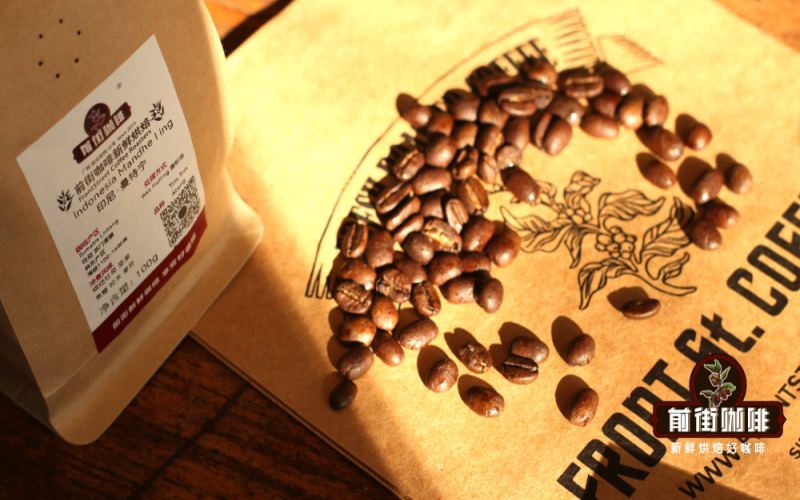
Spicy Mandheling Coffee: A Flavor Exploration from Roast Level to Espresso Blending
In the dazzling world of coffee, beans with spicy notes are truly rare, and Front Street Mandheling stands out as the most iconic example. This coffee from Sumatra, Indonesia, showcases a unique flavor profile woven with herbal, pine, and clove notes, thanks to the region's special climate and wet-hulling process. As the roast level advances to medium-dark, the sweetness of caramel and the aromas of dark chocolate, roasted hazelnut, and maple syrup are fully awakened; acidity is suppressed while body becomes more pronounced, making it easy to brew whether by pour-over, moka pot, or home espresso machine. Beyond single-origin offerings, Mandheling also shines in espresso: Front Street's Classic Blend ingeniously combines Brazilian beans with Mandheling, boasting creamy nuttiness and herbal sandalwood notes, plus the rich crema contributed by Robusta, making it a favored espresso choice for both beginners and seasoned enthusiasts. [more…]

What variety is Chili Geisha coffee? What is the relationship between Aji, Bourbon, and Geisha? Does the Chili bean from Finca La Divisa really taste spicy?
In recent years, a rather buzzworthy name has emerged in the coffee world—Aji Chili Coffee. Is it actually Bourbon? Why is it also called Chili Geisha? Do the beans really carry a chili flavor? Front Street Coffee specially acquired a small lot of washed Aji Chili beans from Finca La Divisoria in Colombia, peeling back the layers of this mysterious coffee—from its varietal origins and genetic identification to actual cupping flavors. The article also fully documents Front Street's roasting approach and tasting impressions, helping you understand the identity and taste of Aji Chili Coffee all at once. [more…]

Luoyang café sparks controversy with "Spicy Soup Coffee": 68 yuan a cup, why won't locals buy it?
Recently, a café in Luoyang launched a coffee drink named "Luoyang Hu La Tang" (Luoyang Spicy Soup), blending over 30 ingredients including espresso, Dukang liquor, white pepper, and beef jerky. Priced at 68 yuan per cup, it has sparked heated discussion online. Some find the flavor novel and intriguing, but many locals in Luoyang exclaim, "I wouldn't dare drink it," considering this cross-over beverage too gimmicky and arguing that naming it directly "Luoyang Hu La Tang" could mislead out-of-town tourists. Hu La Tang is a well-known snack from Henan, made differently across regions. Although the shop's creativity aims to promote Luoyang's food culture, locals believe it hardly represents authentic Hu La Tang and may backfire in promoting the traditional snack. [more…]

Luckin launches new Marble Iced Americano, real-life appearance mocked as looking like tofu pudding and spicy soup
In Starbucks' secret menu, the iced Americano with heavy cream, where the cream sinks to form white streaks, is called a Marble Americano. This way of drinking it originates from Con Panna and Viennese coffee. Luckin recently quietly launched three new drinks, one of which is precisely the Marble Americano, with promotional images that look quite appealing, attracting many consumers to try it early in the morning. However, the actual product differs noticeably from the promotion, with the cream in the coffee taking on forms like egg drop soup, tofu pudding, or spicy soup, and netizens jokingly calling it a bait-and-switch. This article sorts out the recipe differences, actual appearance, and taste feedback of this new product, and includes related recommendations from Front Street Coffee. [more…]

HEYTEA City-Exclusive Food and Tea Crossover Roundup: Localized Innovation from Coconut Chicken Hot Pot to Sichuan Spicy Fairy Dew
In recent years, Heytea has continuously pushed the boundaries of tea drinks, from cross-brand collaborations to incorporating each city's signature foods into beverages and baked goods, launching a series of unexpectedly creative limited-edition products. Shenzhen's coconut chicken hot pot, Guangzhou's rice roll cake, Changsha's mini clay pot bubble rice wine, Chengdu's Sichuan spicy fairy dew… each one precisely captures the taste memories of local people. These products are not only wildly imaginative but also build emotional resonance by awakening shared city memories. This article will comprehensively review the limited-edition items Heytea has launched in various cities and explore the communication logic and secrets behind its "neglecting its proper business." [more…]
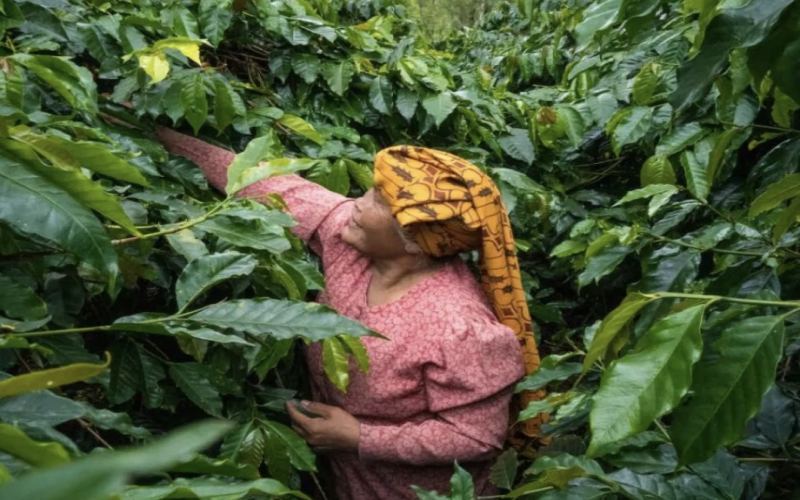
How Sumatra's wet-hulling process shapes Mandheling's herbal and spicy flavors: processing flow and quality differences explained
Sumatra Mandheling coffee from Indonesia is famous for its full-bodied mouthfeel and unique herbal and spicy notes. Beyond variety and climate factors, the wet hulling process also plays a key role in shaping these flavor characteristics. Because Indonesia has a tropical rainforest climate with high temperatures and abundant rain year-round, weak winds, and extremely high humidity, conventional washed or natural processing methods struggle to adapt to local conditions, so locals combined the two approaches to create this unique processing workflow. This article will break down each step of the wet hulling method in detail, analyze how it affects the acidity and flavor direction of coffee beans, and also point out that even when the same wet hulling process is used, beans of different quality still show noticeable differences in cleanliness and taste; beans grown at low altitude or improperly handled during drying are prone to earthy and moldy flavors. [more…]

Moka Pot SOE Bean Recommendations | Why Does Mandheling Have Herbal, Woody, and Spicy Notes? How to Brew PWN Golden Mandheling Coffee Beans for the Best Taste?
When it comes to the taste of Sumatran coffee, people split into two extremes: some love it, while others hate it. Coffee lovers who enjoy acidity mostly will not look at coffee beans from this region, whereas coffee lovers who dislike acidity will greatly appreciate this region. The main factors that create the unique flavor of Mandheling coffee are related to the local cof [more…]
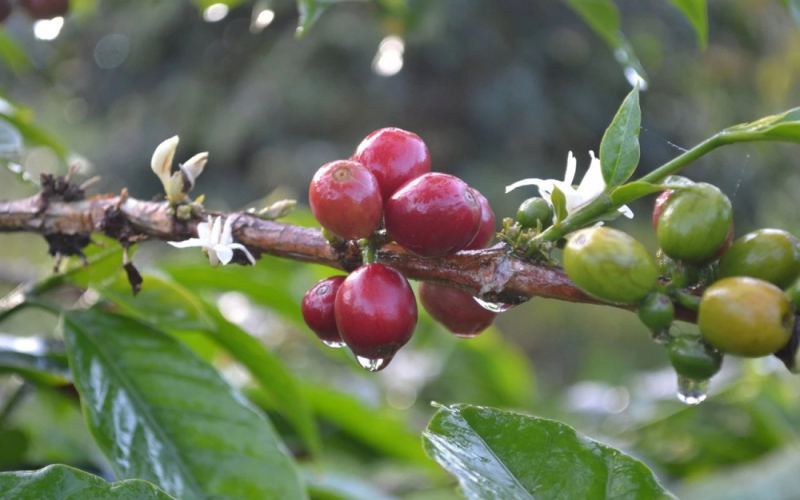
Indonesian Sulawesi Toraja Coffee: A Rare, Floral High-Quality Specialty Bean Origin and Flavor Analysis
Indonesian coffee is often known for its herbal, spicy notes and full body with low acidity, but Sulawesi has developed a completely different style. Here in the high-mountain Toraja region, coffee is grown by an ethnic minority renowned for their coffee cultivation expertise. Annual output is scarce, at only about 300 kilograms per hectare, and the semi-washed process brings out bright acidity, caramel sweetness, and a subtle floral aroma. Compared with Sumatra Mandheling, Toraja is more layered and much more restrained in its herbal and spicy notes, and is regarded as a specialty bean even more precious than Golden Mandheling. This article will walk you through Sulawesi's terroir, the Toraja people, and three major estates, and share Front Street Coffee's roasting and brewing recommendations. [more…]
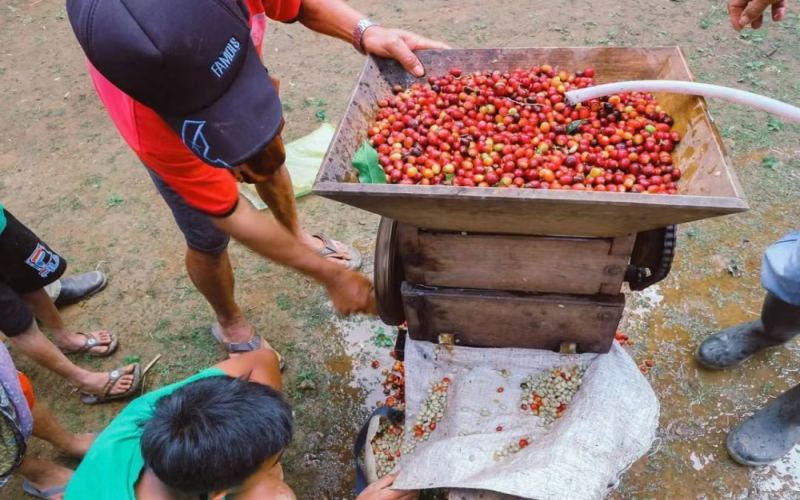
Exploring Sumatra Aceh Longberry Coffee: Variety Origins, Wet-Hulling Process, and Front Street Brewing Review
Indonesian coffee has long been known for the mellow, low-acid character of Mandheling, but this time Front Street Coffee turns its attention to the birthplace of Golden Mandheling—Mount Gayo in Aceh, Sumatra—bringing a distinctive coffee known as Longberry. This bean comes from the Lake Tawar region at an altitude of 1,200 to 1,600 meters, is processed using the wet-hulling method, has an elongated shape, and is a natural mutation of Typica. The article traces three centuries of Longberry cultivation history in Aceh, analyzes its slow-growing, low-yielding characteristics, and explains in detail how the wet-hulling method gives the beans their unique herbal and spicy flavors. Front Street Coffee also shares roasting recommendations, cupping reports, and brewing parameters, using a Kono dripper with 87-88°C water for extraction, ultimately presenting spicy fruit, green apple acidity, and a clean mouthfeel. Whether for variety exploration or brewing practice, this content provides coffee lovers with a complete and professional reference. [more…]
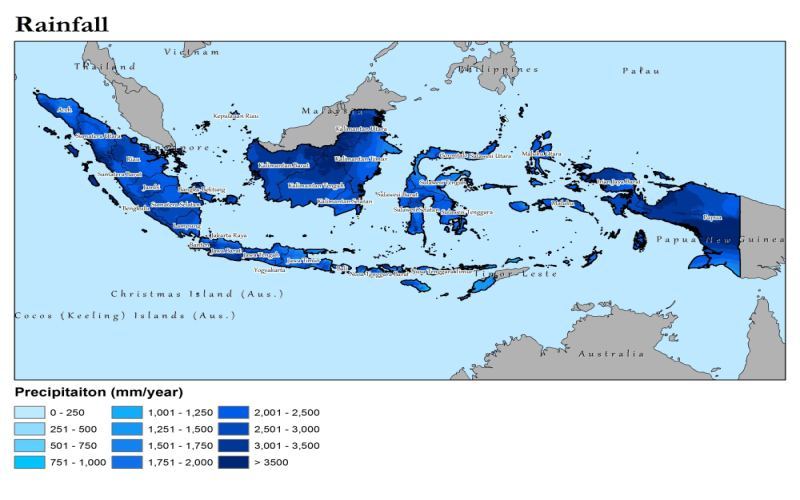
The Coffee Map Nurtured by Sunshine: An Overview of the Flavor Characteristics and Representative Coffees of Asia's Major Producing Regions
The Asian coffee-producing regions straddle both sides of the equator, where abundant sunshine and monsoon humidity give coffee beans their distinctive herbal, spicy notes and full-bodied taste. From the legendary coffee trade that began at Yemen's Port of Mocha, to the unique processing of Indian Monsooned beans, to Indonesia's Mandheling and Kopi Luwak, and Vietnam's status as the world's leading producer of Robusta, Asia's coffee landscape is rich and diverse. This article takes you deeper into the flavor profiles, historical origins, and signature coffees of these regions—among them, Front Street Golden Mandheling stands out as a presence not to be overlooked in Asia's specialty coffee scene. [more…]
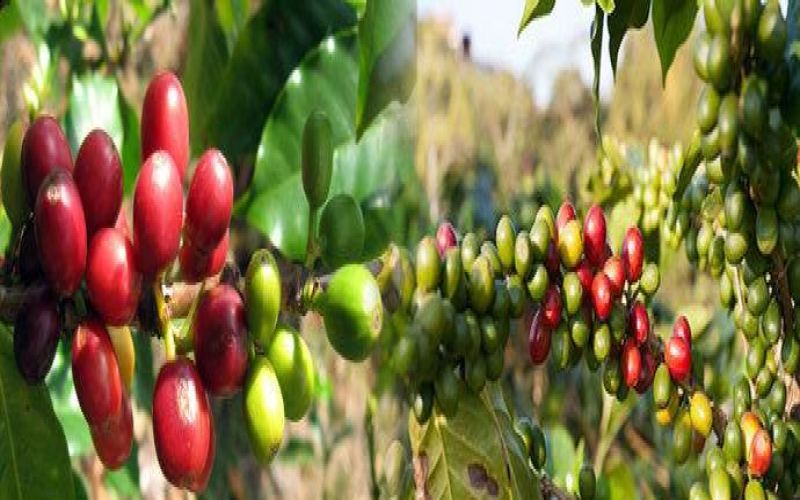
The Complete Guide to Mandheling Coffee: Sumatra Wet-Hulled Flavor, Variety Origins, and PWN Golden Mandheling Recommendations
Mandheling coffee is one of the most representative single-origin coffees from Sumatra, Indonesia, renowned for its full-bodied, intensely bitter profile, spicy and herbal notes, and its unique wet-hulled processing method. This article begins with the origin of the name "Mandheling," then explores the terroir of core producing regions such as Lake Toba and Mount Gayo in Aceh, Sumatra, analyzes common varieties like Tim Tim and Ateng, and explains how the wet-hulled process shapes the low-acidity, heavy-bodied cup. It also covers Indonesian green bean grading, the screening standards and certification information for PWN Golden Mandheling, as well as the product features of Front Street Coffee's Lintong Mandheling everyday drinking beans and PWN Golden Mandheling. Finally, it includes Front Street Coffee's moka pot brewing steps to help coffee enthusiasts gain a comprehensive understanding of Mandheling's flavor origins and ways to enjoy it. [more…]
Indonesian Mandheling Coffee Beans: Origin of the Name, Variety Characteristics, and a Full Analysis of the Wet-Hulled Flavor and Mouthfeel
Mandheling is the most representative coffee of Sumatra, Indonesia, and behind its name lies a misunderstanding from World War II. It is roasted on the darker side, with spicy and herbal notes and a thick, bitter, full-bodied taste—some people can't get enough of it, while others find it hard to adapt to. So what exactly creates this distinctive flavor? This article examines the origin of the name Mandheling, the terroir of its producing region, its varietal composition, and its wet-hulling process, and also introduces Front Street Coffee's PWN Golden Mandheling and Lintong Mandheling as everyday bean options, with a moka pot brewing demonstration at the end. [more…]

Tea Yan Yue Se's new product packaging has been accused of being identical to Khalil Fong's album cover, and the snack in question has been pulled from all stores.
On July 17, a post about an alleged infringement by Chayan Yuese sparked widespread discussion on social media. Some internet users noticed that on the packaging of the brand's newly launched "Mountain Pepper Oil Flavored Spicy Strips," the album图案 held by the cartoon character bore a striking resemblance to the cover of Khalil Fong's "Dreamer," released in 2024. Netizens asked customer service to verify a collaboration, but were told that the two parties had no partnership. As public opinion grew, Chayan Yuese confirmed that the product involved had been urgently removed from shelves that afternoon and publicly apologized for the lack of oversight in its creative review process. Although the brand has responded, it has not yet issued a formal statement on its official social media accounts. [more…]
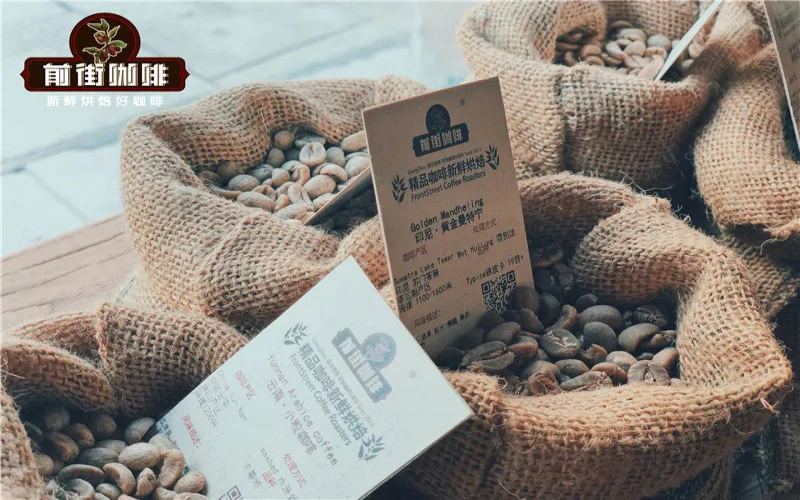
A Complete Guide to Indonesian Mandheling Coffee Bean Varieties: Sumatra Origin Characteristics, Four Common Categories, and Flavor Profile Guide
Mandheling is the most recognizable representative of Indonesian Sumatran coffee, renowned for its rich, full-bodied character and spicy, herbal notes. This article systematically sorts through the origins and naming background of Mandheling, introduces the growing regions, processing methods, and flavor differences of four common types of Mandheling—Lintong, PWN Golden, Tiger, and Aged—and analyzes the historical origins of Sumatra's main cultivated varieties such as Ateng and Tim Tim. The article also retains the product information for Front Street Coffee's Lintong Mandheling and PWN Golden Mandheling, as well as KONO dripper brewing suggestions, helping coffee enthusiasts gain a comprehensive understanding of Mandheling's full-bodied charm. [more…]
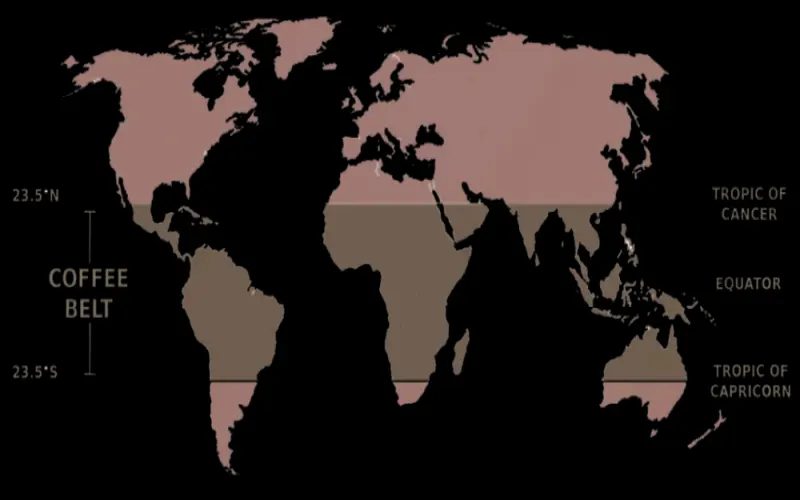
Guide to Varieties and Flavor Characteristics of the World's Three Major Coffee Regions: From Latin America to Africa to Asia-Pacific
The flavors of coffee are incredibly diverse, largely depending on the land where it is grown. The global coffee-growing belt is mainly divided into three major regions: Latin America, Africa, and Asia/Pacific. The climate, soil, and processing methods of each region give coffee beans distinctly different characteristics. Latin American coffees are primarily characterized by cocoa and nutty notes, with a balanced body and mild acidity; Africa, the birthplace of coffee, enchants with floral and citrus-like bright acidity; coffees from the Asia-Pacific region stand out for their heavy body, with herbal and spicy notes. This article will systematically review the representative varieties and flavor characteristics of each region, and include Front Street Coffee's recommended beans from each origin, helping coffee enthusiasts gain a more systematic understanding of the geographic code behind the flavors in their cups. [more…]
A Complete Analysis of the Flavors of the World's Three Major Coffee Regions: Why Are African Beans' Floral and Fruity Notes So Enchanting?
The flavors of coffee are incredibly diverse, largely depending on the land where it is grown. The global coffee-growing belt can be broadly divided into three major regions: Latin America, Africa, and Asia/Pacific. Each region, due to differences in climate, altitude, and processing methods, nurtures a completely different flavor profile. Latin American coffees are known for their cocoa and nutty notes, with a balanced body and mild acidity; Africa, as the birthplace of coffee, often produces beans with citrus and floral aromas, bright acidity, and rich complexity; the Asia/Pacific region tends toward herbal and spicy notes, with the most prominent body. This article will go through the representative countries of each region and their flavor characteristics one by one, and include Front Street Coffee's corresponding recommended beans, helping coffee lovers build a clear regional flavor framework and find the cup that best suits their taste. [more…]
A Complete Analysis of Varieties and Flavors from the World's Three Major Coffee Regions: Classic Coffee Bean Characteristics from Latin America to Africa to Asia-Pacific
The flavors of coffee are endlessly varied, and to a large extent depend on the region where it is grown. The world's three major coffee-producing regions—Latin America, Africa, and Asia/Pacific—each cultivate coffee beans with distinctly different styles. Latin American coffee is dominated by cocoa and nutty notes, with a balanced body and mild acidity; African coffee showcases bright acidity with citrus and floral notes, refreshing and pleasant; Asia-Pacific coffee brings herbal and spicy notes, rich and full-bodied. This article will analyze the flavor characteristics of each region one by one, and recommend representative classic coffee beans from the Front Street Coffee brand, helping coffee enthusiasts more systematically understand the taste differences among different origins and find the cup that suits their own palate. [more…]